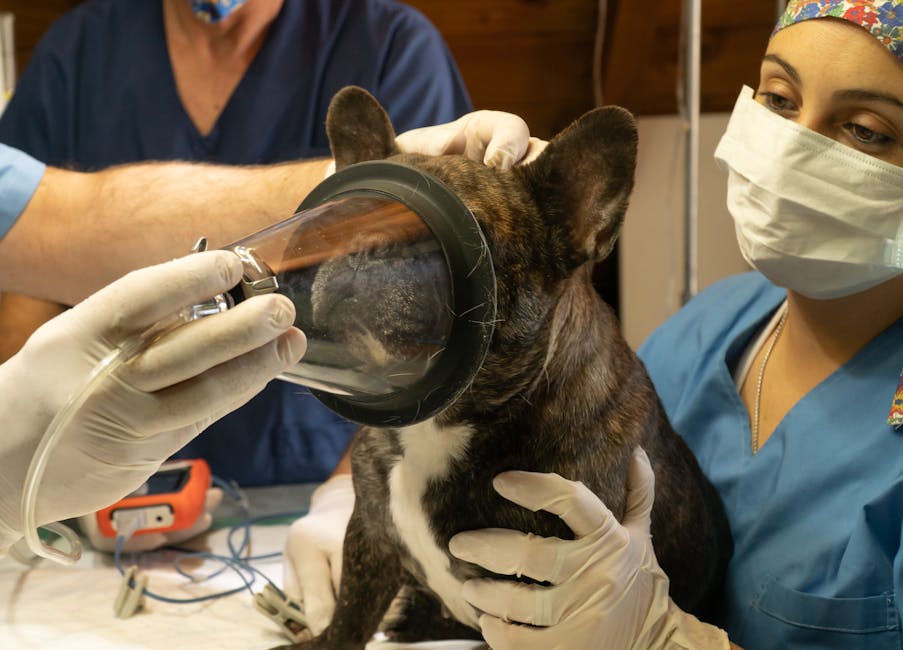
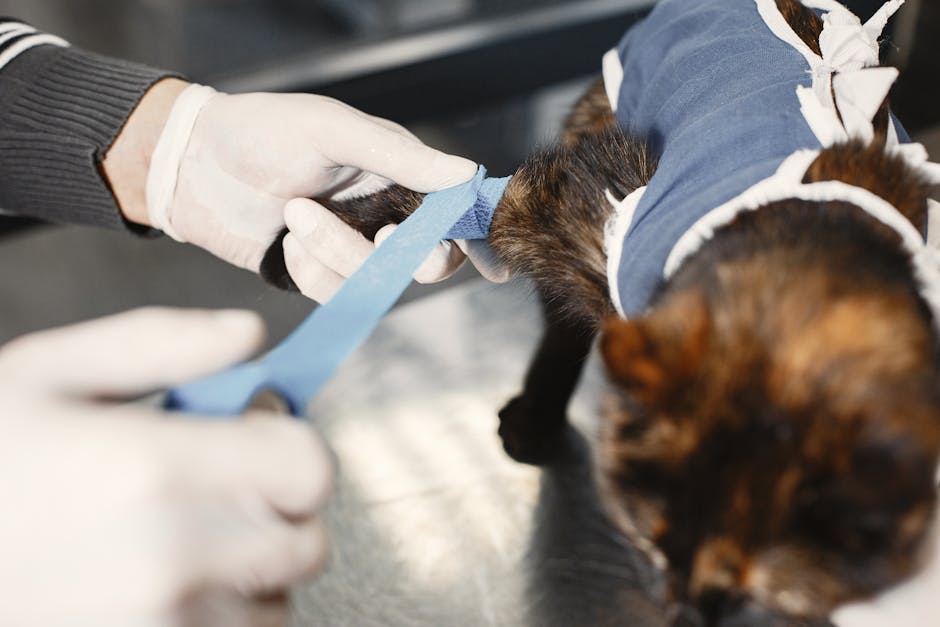
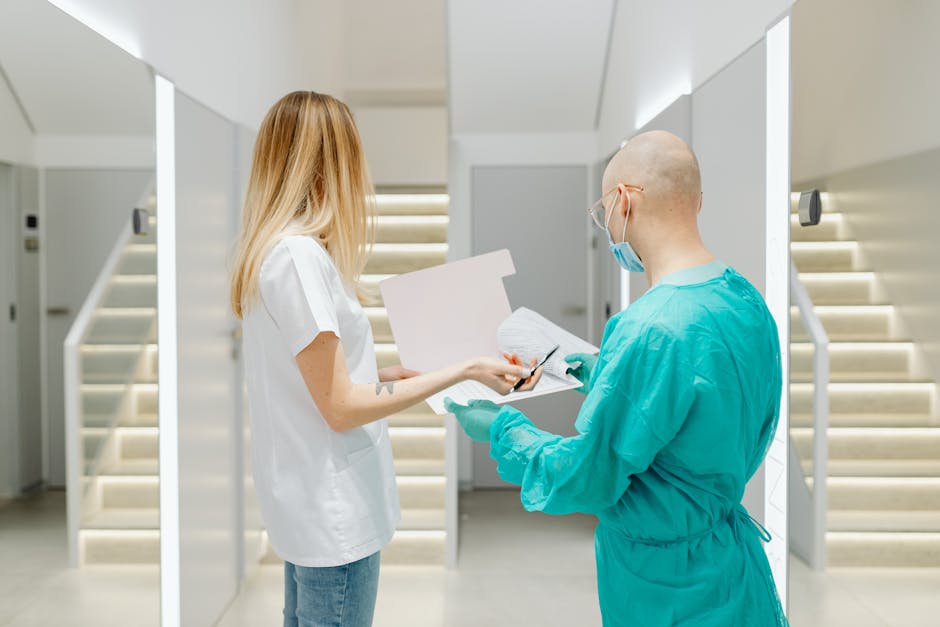
A veterinarian skillfully bandages a cat's paw post-surgery in a clinic setting.

Orthopaedic Surgery Expertise

OrthoVet UK is a veterinary practice dedicated to the surgical management of orthopaedic conditions in companion animals. Our facility is equipped with modern operating theatres and diagnostic tools. We offer a range of procedures including fracture fixation, arthroscopy, and joint replacement. Each surgical plan is developed based on individual patient assessment and clinical findings. Pre-operative evaluation and post-operative monitoring follow established veterinary protocols.

Our Approach to Anaesthesia

All surgical procedures at OrthoVet UK are conducted under general anaesthesia administered by experienced veterinary anaesthetists. Anaesthetic protocols are tailored to each patient's age, weight, and medical history. Monitoring during surgery includes heart rate, blood pressure, and oxygen saturation. Recovery is supervised in a designated recovery area.

Surgical Journey

  • 01

    Initial Consultation

    A thorough orthopaedic examination and diagnostic imaging to assess the condition.

  • 02

    Pre-Operative Planning

    Discussion of surgical options and preparation of the patient for anaesthesia.

  • 03

    Surgical Intervention

    The planned procedure is performed in a sterile environment by the surgical team.

  • 04

    Post-Operative Care

    Monitoring and pain management with instructions for home care and follow-up.

Client Feedback

Sarah M.

After our Labrador's surgery, the team at OrthoVet UK explained every step. The follow-up care was thorough and reassuring.

James T.

Our cat had a complex fracture. The surgical outcome was excellent, and the staff was very supportive throughout.

Emily R.

Professional and caring approach. The pre-operative consultation gave us realistic expectations about recovery.
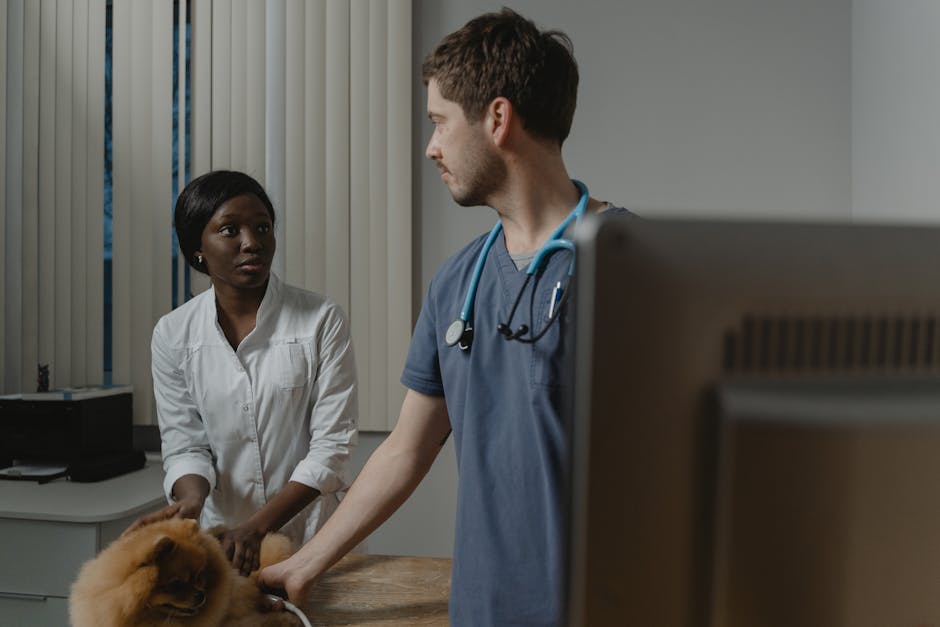
Two veterinarians in a clinic attentively caring for a dog during an exam.

Conditions We Address

OrthoVet UK specialises in a range of orthopaedic conditions affecting dogs and cats, including but not limited to hip dysplasia, elbow dysplasia, cruciate ligament rupture, patellar luxation, and traumatic fractures. Each case is evaluated using radiography, CT, or MRI as necessary. Surgical treatments may involve osteotomy, arthroplasty, or internal fixation. The goal is to restore function and stability, with outcomes influenced by factors such as age, overall health, and rehabilitation compliance.

Transparency in Surgical Outcomes

We believe in open communication regarding the potential outcomes of orthopaedic surgery. While many patients show improvement, the success of any procedure depends on biological healing, post-operative care, and individual response. Our team provides realistic information to support informed decision-making for pet owners.

Why Choose OrthoVet UK

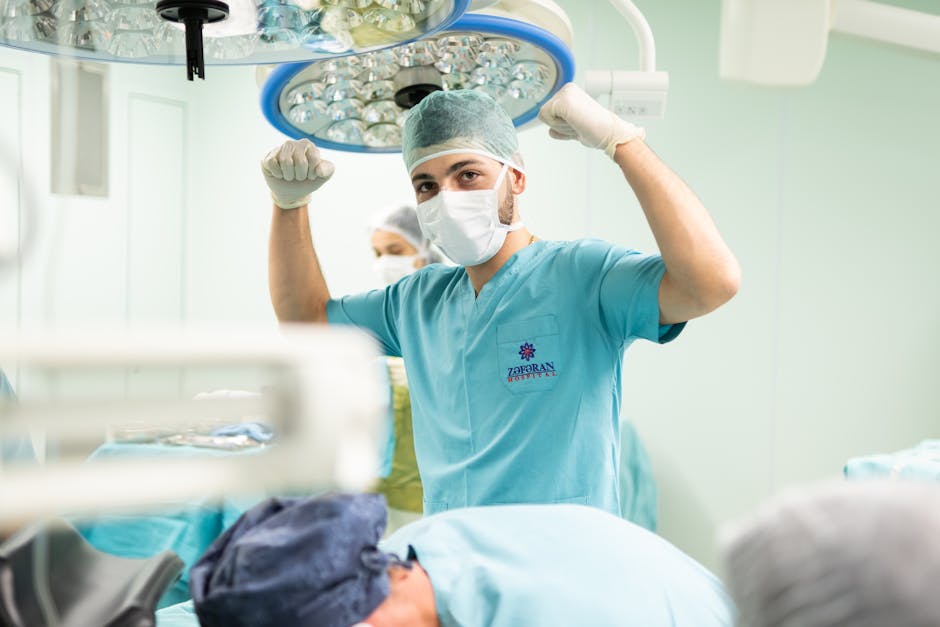
A surgeon in scrubs celebrates after a successful surgery in an operating room.
  • Specialist Team

    Veterinary surgeons with advanced training in orthopaedics and surgery.

  • Modern Facilities

    Operating theatres equipped with the latest surgical instrumentation.

  • Advanced Imaging

    On-site digital radiography and CT scanning for precise diagnosis.

  • Individualised Plans

    Treatment strategies tailored to each patient's specific condition.

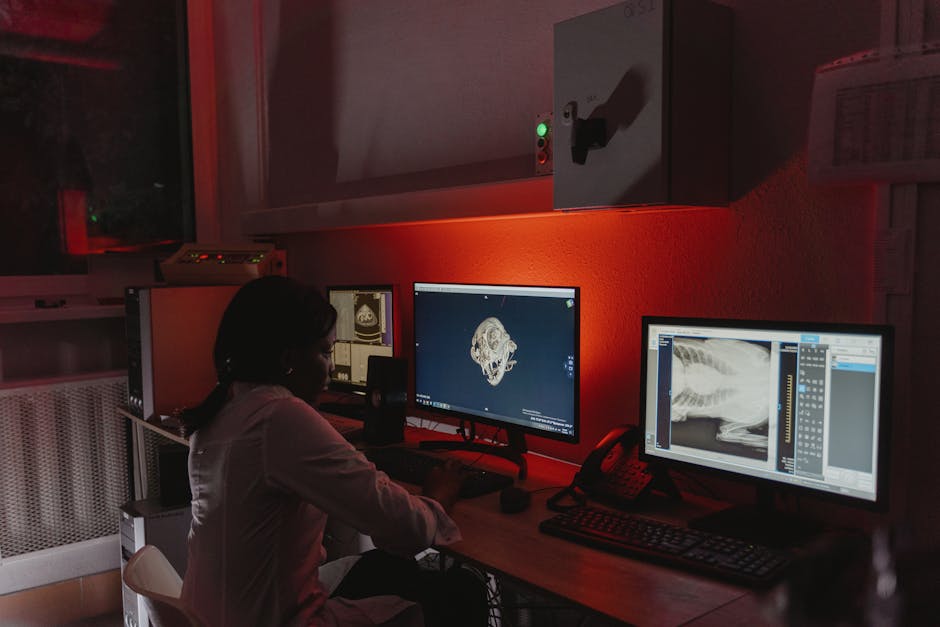
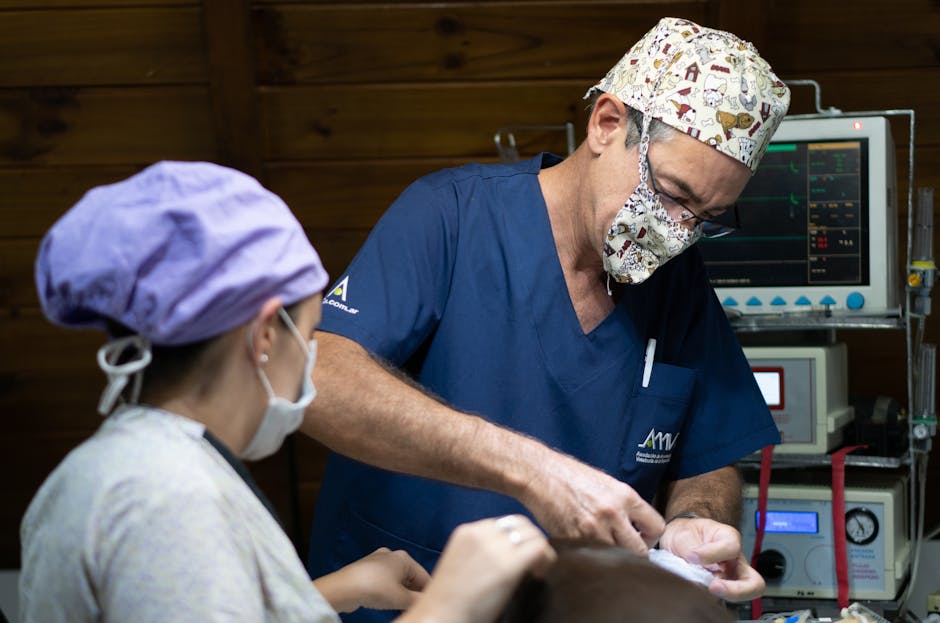
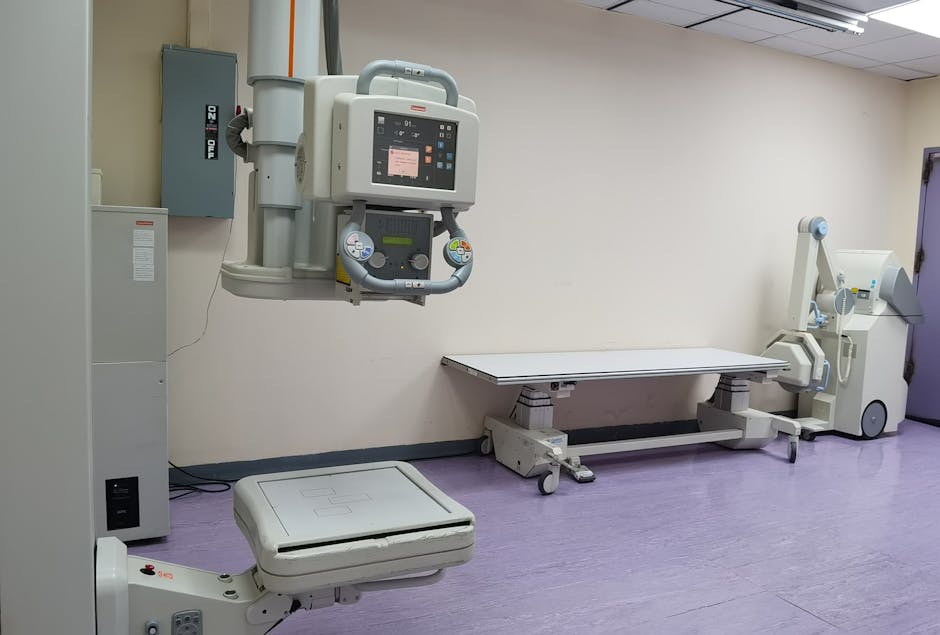
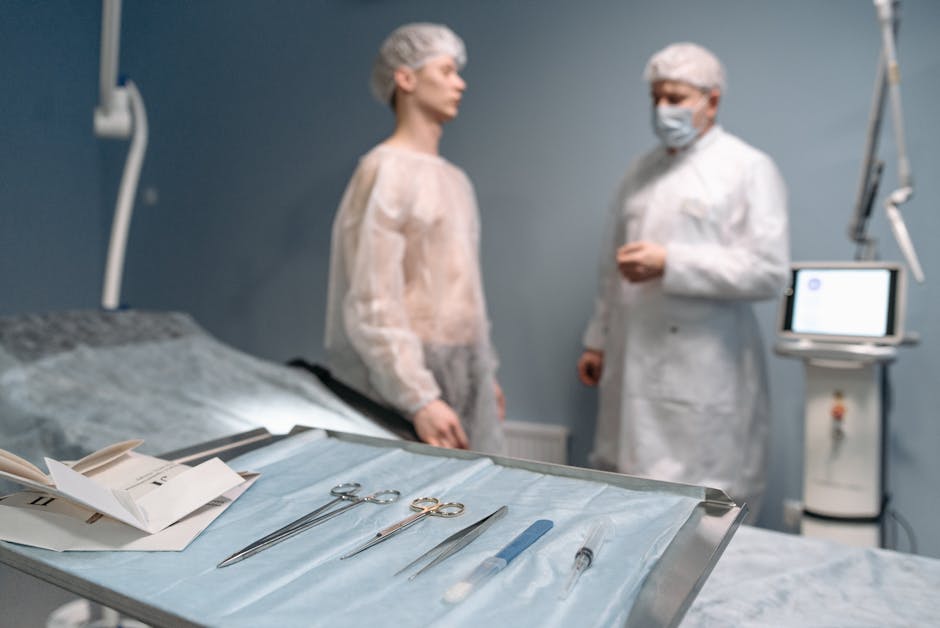
Images from our clinical environment, including the consultation rooms, operating theatre, recovery ward, and diagnostic imaging suite. These photographs illustrate the setting where orthopaedic care is delivered.

A female veterinarian studies x-ray images in a dimly lit office, focusing on animal healthcare and diagnostics.
Veterinarian in PPE conducting a medical procedure indoors with monitoring equipment.
Clinical setting with X-ray machines and examination table in a healthcare facility.
Surgical tools arranged on tray in operating room with doctors in the background.

Understanding Orthopaedic Surgery

Orthopaedic surgery for pets involves procedures on bones, joints, and connective tissues. Common surgeries include fracture repair with plates or pins, joint replacement (e.g., total hip replacement), and corrective osteotomies. Prior to any operation, a full health assessment is performed to identify potential complications. The surgical team follows aseptic techniques and uses intraoperative imaging when needed. Post-surgery, a period of restricted activity and physiotherapy is often recommended. Recovery timelines vary; regular check-ups monitor bone healing and joint function.

Meet Our Veterinary Surgeons

The surgical team at OrthoVet UK comprises veterinarians with European or American board certification in veterinary surgery. They have completed residency programmes and have extensive experience in orthopaedic cases. Continuous professional development ensures familiarity with evolving techniques such as minimally invasive surgery and 3D-printed implants. The team works collaboratively with referring veterinarians to coordinate comprehensive care.

Doctors collaborating in a bright clinic, highlighting teamwork and healthcare.

Diagnostic Pathway

  • 01

    Clinical Examination

    Assessment of gait, range of motion, and pain response.

  • 02

    Imaging Studies

    Radiographs, CT, or MRI to visualise bone and soft tissue.

  • 03

    Diagnostic Confirmation

    Identification of specific pathology like fractures or dysplasia.

  • 04

    Treatment Discussion

    Review of surgical options and expected recovery phases.

Frequently Asked Questions

  • How long does recovery take after orthopaedic surgery?
    Recovery times vary by procedure and patient. Typically, bone healing takes 8–12 weeks, but functional improvement may be seen earlier.
  • What kind of anaesthesia is used?
    General anaesthesia is administered by our veterinary anaesthetists. Protocols are individually adjusted based on the patient's health status.
  • Will my pet need to stay overnight?
    Many surgical patients require an overnight stay for monitoring. We provide a comfortable recovery ward with attentive care.
  • Are follow-up appointments included?
    Post-operative check-ups are arranged to monitor healing and adjust aftercare. The frequency depends on the procedure and recovery progress.
  • How can I prepare my pet for surgery?
    We provide detailed pre-operative instructions, including fasting guidelines and medication adjustments. Our team is available to answer any concerns.

The Role of Rehabilitation

Post-surgical rehabilitation is an important component of orthopaedic care. Controlled exercise, hydrotherapy, and physiotherapy can support muscle strength and joint mobility. Our team provides guidance on activity levels and may recommend referral to a rehabilitation specialist.

Surgical Safety Measures

OrthoVet UK adheres to rigorous safety standards. Patients undergo thorough pre-anaesthetic screening including blood work and cardiac evaluation. Anaesthesia is monitored continuously. Surgical procedures are performed under strict sterile conditions. Antibiotic and analgesic protocols are based on current veterinary guidelines to minimise infection and pain.

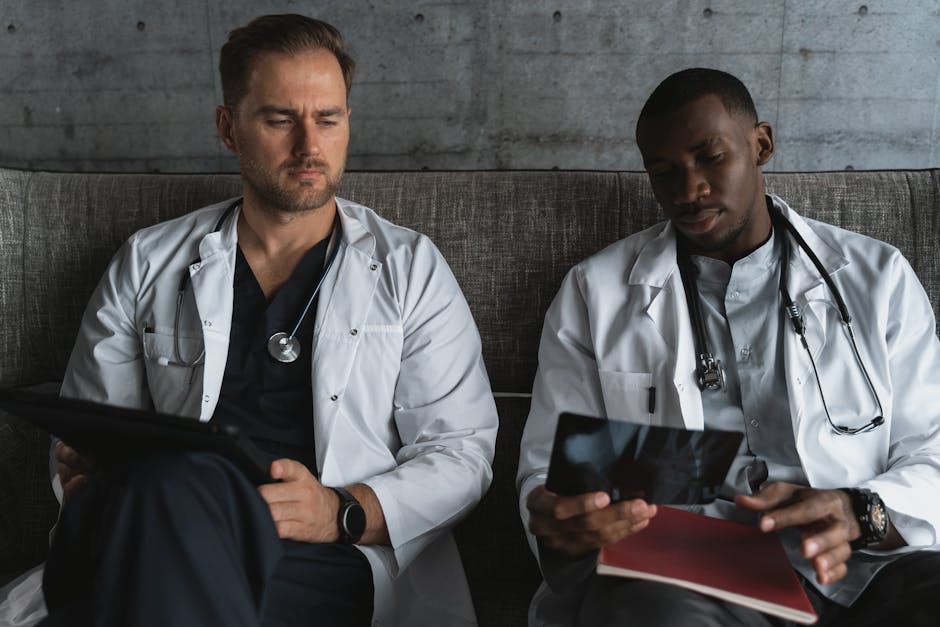
Two doctors analyze X-ray films in a medical office for diagnosis.
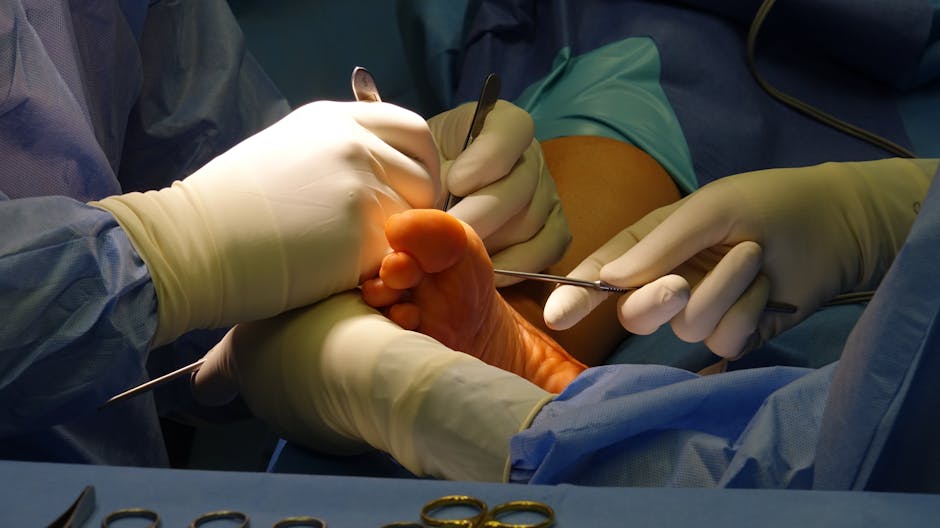
Surgeons performing intricate foot surgery in a sterile operating room environment.

Our Commitment to Care

  • Client Communication

    We explain procedures and answer questions at every stage.

  • Evidence-Based Medicine

    Our methods are grounded in current veterinary science.

  • Emergency Availability

    Urgent orthopaedic cases can be seen within 24 hours.

  • Referral Network

    We work with primary vets to ensure coordinated care.

Get in Touch

If you have questions about orthopaedic surgery for your pet, please complete the form below. A member of our team will respond within one business day.

Enquiry Form

We use cookies

We use cookies to ensure the proper functioning of the website, analyze traffic, and improve your experience. You can accept all cookies or reject them — the site will continue to operate. For more details, read our Cookie Policy.